|

WARNING:
Some of the links below are repeated so that this map can be more useful to you.
If you are not sure about the section where you will find the page you are looking for,
just use the search function in your web browser to locate its link here.
If you find a broken link or a missing image,
 email us, please. email us, please.
List of classnotes and exercises in alphabetical order
European Section
Activities
Tips
Culture
Software
For students:
For teachers:
CLIL
Blog
Flipped classroom
English Department - main index
List of classnotes topics (in alphabetical order):
- Articles — worksheet

- Auxiliary verbs
- BE / HAVE
- Basic verb tenses (See also verb tenses)
- Basic verb tenses in a nutshell
- Cómo hacer preguntas — apuntes en español
- Comparative and superlative adjectives
- Comparative and superlative adjectives (exercise)
- Comparación de adjetivos (in Spanish)
- Conditional sentences basic exercise
- Conditional sentences classnotes and advanced exercise
- Double consonants
- Extreme adjectives (basic)
- Extreme adjectives (advanced)
- Frequency adverbs (basic)
- Future tenses (will / going to) —
worksheet
- Have
- How to describe a photo
- How to write essays
- Indirect speech
- Infinitive and gerund
- Infinitive or gerund after a verb
- Intensifiers:
a little / rather / much / + more / less / too + adj.
-
International Phonetic Alphabet
- Interrogative structures
- Interrogative sentences (rules)
- Interrogative sentences
(interactive tutorial)

- 60 irregular verbs (years 7 to 9)
- 100 irregular verbs (year 10)
- Long vowels
-
Long /i;/ and
short /I/ (advanced class notes)
-
Long /i;/ and
short /I/ (basic class notes)
- Modal verbs class notes: must, need, have to
- Modal verbs class notes: must, have to, need, should
- Modal verbs exercises: must, have to, need, should
- Modal verbs general chart: be able to, can, could, may, might, must, have to, will, would, shall, should, ought to, need
- N — /n/, /N/
— pronunciation of -n /-ng
- Negative sentences (flowchart with examples)
- Negative sentences
(interactive tutorial)
- Other / another
- Passive voice tutorial
- Passive voice exercise (basic)
- Passive voice exercises (advanced)
- Past Continuous — worksheet
- Past simple affirmative
- Past simple negative & interrogative
- Past Simple — worksheet
- Past tenses — contrasting past simple, past continuous
& present perfect
- Phonetics
- Possessive pronouns
- Preguntas — apuntes en español
- Prepositions (general)
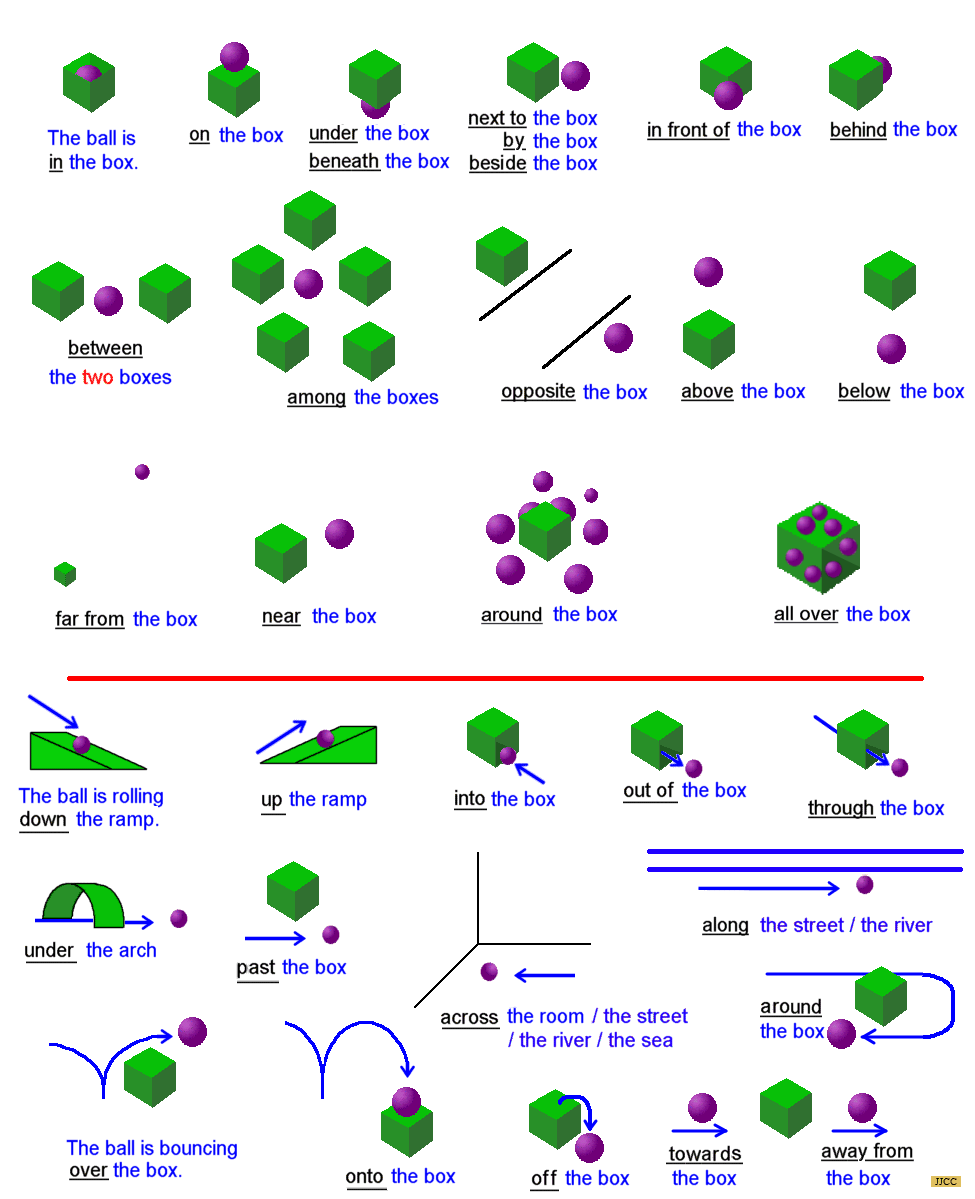
- Prepositions of place and movement
- Present Continuous —
worksheet
- Present Perfect — worksheet
- Present simple
- Present simple affirmative
- Present simple interrogative
- Present simple negative
- Present Simple — worksheet
- Pronouns and possessives — worksheet
- Pronunciation
- Question tags — classnotes & online exercises
- Question tags — 3-page worksheet (en español,
con ejercicios)
- Relative clauses
- Reported speech — links
- Saxon genitive
- Since / for / during / ago
- Short vowels
and the schwa sound
- Subject pronouns
- Summer grammar review 1 ESO
- Summer grammar review 3 ESO
- TH:
voiceless /T/ and
voiced /D/
- Used to
- Verb system
- Verbs followed by infinitive or gerund
- Verb tenses (all tenses chart)
- Verb tenses (basic tenses)
- Verb tenses in a nutshell (basic)
- Verb tenses (how to translate them)

- Wh- questions — links
- Wh- questions — flow chart
(también disponible en español)
- Wh- questions — exercises
- Wh- questions part 1
(3º ESO, pages 1 - 2, questions 1 - 60)
- Wh- questions part 2
(3º ESO, pages 3 - 4, questions 61 - 110, with answer key)
- Wh- questions parts 1 & 2
(3º ESO, pages 1 - 4)
- Wh- questions revision (4º ESO)
- Wh- words list & examples
- Word order
- Writing: how to write an essay
- Yet / still / already

|
JJCC
|
|
|