 HISTORY
Prehistoric finds
South Africa contains some of the oldest archaeological and human fossil sites in the world. The sites include Sterkfontein, which is one of the richest hominin fossil sites in the world. Other sites include Swartkrans, Gondolin Cave Kromdraai, Coopers Cave and Malapa. The first hominin fossil discovered in Africa, the Taung Child was found near Taung in 1924.
Colonization
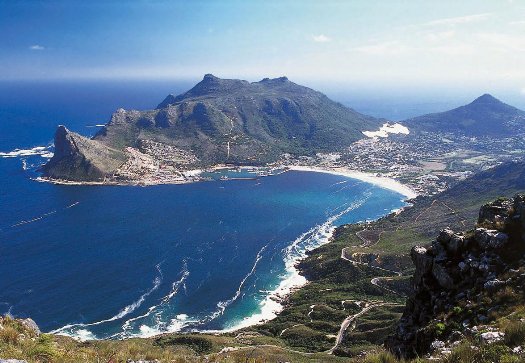
In 1652, a century and a half after the discovery of the Cape Sea Route, Jan van Riebeeck established a refreshment station at the Cape of Good Hope, at what would become Cape Town,
on behalf of the Dutch East India Company. The Dutch transported slaves from Indonesia, Madagascar, and India as labour for the colonists in Cape Town. As they expanded east, the Dutch settlers met the southwesterly migrating Xhosa people in the region of the Fish River. A series of wars, called the Cape Frontier Wars, were fought over conflicting land and livestock interests.
|
 INTRODUCTION
 ECONOMY