
This is how you can calculate a square root when you do not have a calculator
(click on the down arrow to read the next set of instructions):
|

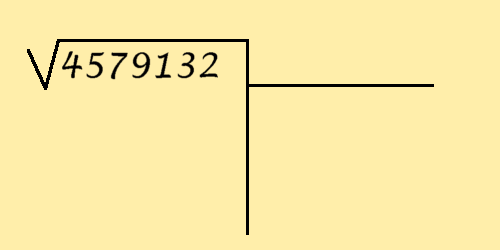
| First, we draw a "box" around the number whose square root we want to find. In the English-speaking countries they draw a different box, but that is not important. |
|
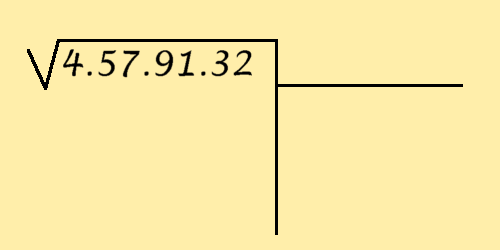
| First, we draw a "box" around the number whose square root we want to find. In the English-speaking countries they draw a different box, but that is not important. Then, we separate the digits in pairs, starting from the right. For each group of numbers, we have to repeat several operations. |
|
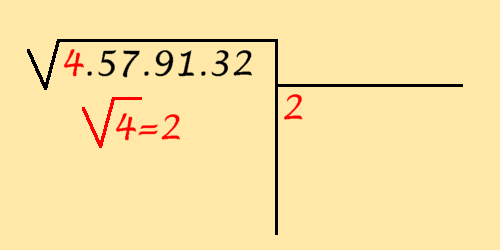
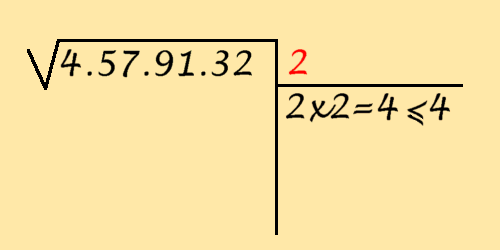
| First, we draw a "box" around the number whose square root we want to find. In the English-speaking countries they draw a different box, but that is not important. Then, we separate the digits in pairs, starting from the right. For each group of numbers, we have to repeat several operations. First, we calculate the square root of the first number or pair on the left, and we write that number under the box. |
|
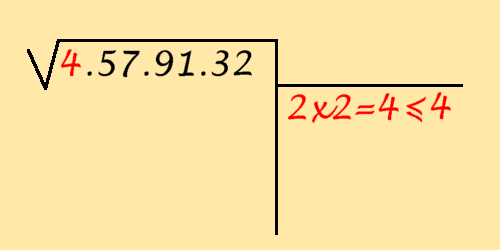
| First, we draw a "box" around the number whose square root we want to find. In the English-speaking countries they draw a different box, but that is not important. Then, we separate the digits in pairs, starting from the right. For each group of numbers, we have to repeat several operations. First, we calculate the square root of the first number or pair on the left, and we write that number under the box. Next, we multiply that number by itself, and we check that it is smaller or equal to the number on the left (if it is bigger, we must try with a smaller number). |
|
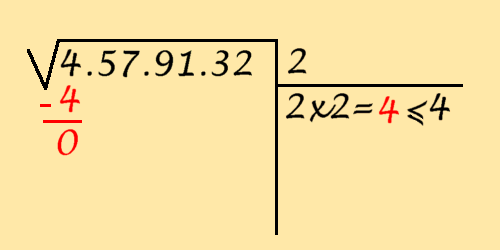
| First, we draw a "box" around the number whose square root we want to find. In the English-speaking countries they draw a different box, but that is not important. Then, we separate the digits in pairs, starting from the right. For each group of numbers, we have to repeat several operations. First, we calculate the square root of the first number or pair on the left, and we write that number under the box. Next, we multiply that number by itself, and we check that it is smaller or equal to the number on the left (if it is bigger, we must try with a smaller number). When we have the right number, we copy it in the box. |
|
| First, we draw a "box" around the number whose square root we want to find. In the English-speaking countries they draw a different box, but that is not important. Then, we separate the digits in pairs, starting from the right. For each group of numbers, we have to repeat several operations. First, we calculate the square root of the first number or pair on the left, and we write that number under the box. Next, we multiply that number by itself, and we check that it is smaller or equal to the number on the left (if it is bigger, we must try with a smaller number). When we have the right number, we copy it in the box. Finally, we copy the result of the multiplication under the number on the left, to subtract it (that is why it must not be bigger than the number on the left). After that, we repeat the following steps for each pair of numbers: |
|
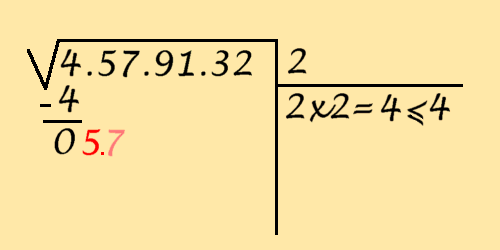
| First, we take down the next pair of numbers, but we will not use the one on the right for the moment. |
|
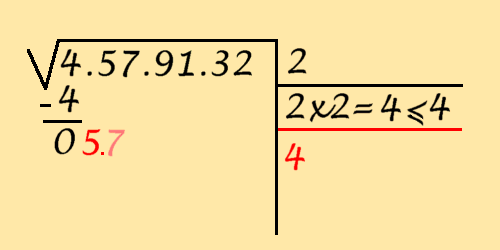
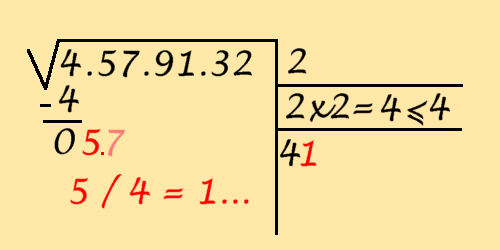
| First, we take down the next pair of numbers, but we will not use the one on the right for the moment. Then we draw a horizontal line under the previous operations, we multiply by 2 the current number in the box, and we copy it under the line. |
|
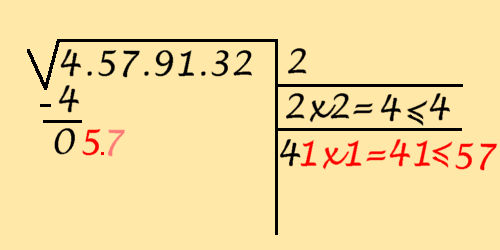
| First, we take down the next pair of numbers, but we will not use the one on the right for the moment. Then we draw a horizontal line under the previous operations, we multiply by 2 the current number in the box, and we copy it under the line. Next, we divide the number on the left by the number on the right, and we copy the first digit of the result next to the number under the line. |
|
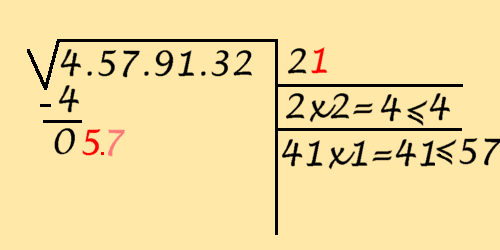
| First, we take down the next pair of numbers, but we will not use the one on the right for the moment. Then we draw a horizontal line under the previous operations, we multiply by 2 the current number in the box, and we copy it under the line. Next, we divide the number on the left by the number on the right, and we copy the first digit of the result next to the number under the line. Next, we multiply the resulting number by the same digit, and we check that the result is smaller or equal to the number on the left (if it is bigger, we must try with a smaller number). |
|
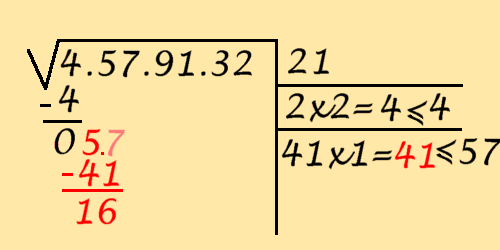
| First, we take down the next pair of numbers, but we will not use the one on the right for the moment. Then we draw a horizontal line under the previous operations, we multiply by 2 the current number in the box, and we copy it under the line. Next, we divide the number on the left by the number on the right, and we copy the first digit of the result next to the number under the line. Next, we multiply the resulting number by the same digit, and we check that the result is smaller or equal to the number on the left (if it is bigger, we must try with a smaller number). When we have the right number, we copy it in the box. |
|
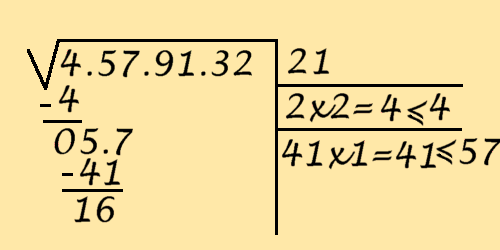
| First, we take down the next pair of numbers, but we will not use the one on the right for the moment. Then we draw a horizontal line under the previous operations, we multiply by 2 the current number in the box, and we copy it under the line. Next, we divide the number on the left by the number on the right, and we copy the first digit of the result next to the number under the line. Next, we multiply the resulting number by the same digit, and we check that the result is smaller or equal to the number on the left (if it is bigger, we must try with a smaller number). When we have the right number, we copy it in the box. After that, we copy the result of the multiplication under the number on the left, to subtract it (that is why it must not be bigger than the number on the left). |
|
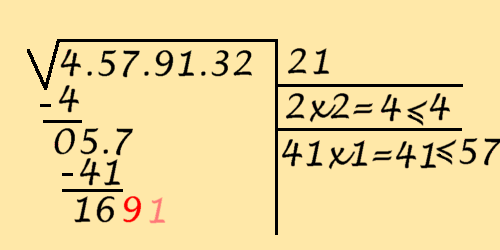
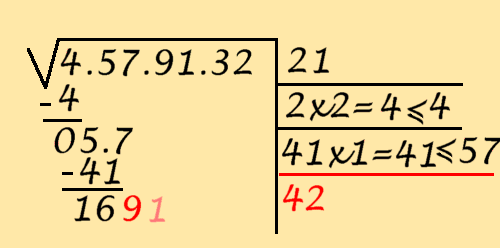
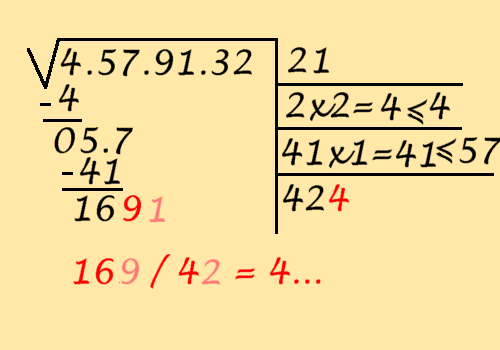
| First, we take down the next pair of numbers, but we will not use the one on the right for the moment. Then we draw a horizontal line under the previous operations, we multiply by 2 the current number in the box, and we copy it under the line. Next, we divide the number on the left by the number on the right, and we copy the first digit of the result next to the number under the line. Next, we multiply the resulting number by the same digit, and we check that the result is smaller or equal to the number on the left (if it is bigger, we must try with a smaller number). When we have the right number, we copy it in the box. After that, we copy the result of the multiplication under the number on the left, to subtract it (that is why it must not be bigger than the number on the left). And we repeat the same steps... |
|
| First, we take down the next pair of numbers, but we will not use the one on the right for the moment. Then we draw a horizontal line under the previous operations, we multiply by 2 the current number in the box, and we copy it under the line. Next, we divide the number on the left by the number on the right, and we copy the first digit of the result next to the number under the line. Next, we multiply the resulting number by the same digit, and we check that the result is smaller or equal to the number on the left (if it is bigger, we must try with a smaller number). When we have the right number, we copy it in the box. After that, we copy the result of the multiplication under the number on the left, to subtract it (that is why it must not be bigger than the number on the left). And we repeat the same steps... |
|
| First, we take down the next pair of numbers, but we will not use the one on the right for the moment. Then we draw a horizontal line under the previous operations, we multiply by 2 the current number in the box, and we copy it under the line. Next, we divide the number on the left by the number on the right, and we copy the first digit of the result next to the number under the line. Next, we multiply the resulting number by the same digit, and we check that the result is smaller or equal to the number on the left (if it is bigger, we must try with a smaller number). When we have the right number, we copy it in the box. After that, we copy the result of the multiplication under the number on the left, to subtract it (that is why it must not be bigger than the number on the left). And we repeat the same steps... |
|
| First, we take down the next pair of numbers, but we will not use the one on the right for the moment. Then we draw a horizontal line under the previous operations, we multiply by 2 the current number in the box, and we copy it under the line. Next, we divide the number on the left by the number on the right, and we copy the first digit of the result next to the number under the line. Next, we multiply the resulting number by the same digit, and we check that the result is smaller or equal to the number on the left (if it is bigger, we must try with a smaller number). When we have the right number, we copy it in the box. After that, we copy the result of the multiplication under the number on the left, to subtract it (that is why it must not be bigger than the number on the left). And we repeat the same steps... |
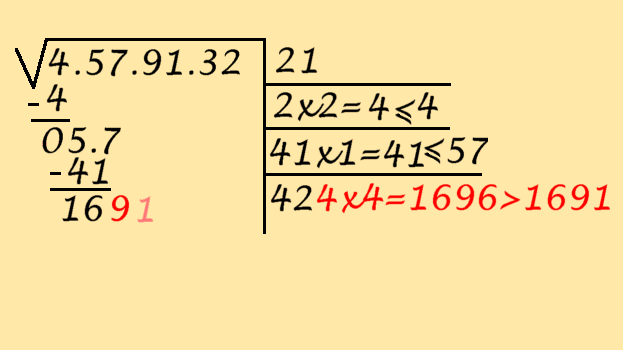
|
| First, we take down the next pair of numbers, but we will not use the one on the right for the moment. Then we draw a horizontal line under the previous operations, we multiply by 2 the current number in the box, and we copy it under the line. Next, we divide the number on the left by the number on the right, and we copy the first digit of the result next to the number under the line. Next, we multiply the resulting number by the same digit, and we check that the result is smaller or equal to the number on the left (if it is bigger, we must try with a smaller number). When we have the right number, we copy it in the box. After that, we copy the result of the multiplication under the number on the left, to subtract it (that is why it must not be bigger than the number on the left). And we repeat the same steps... |
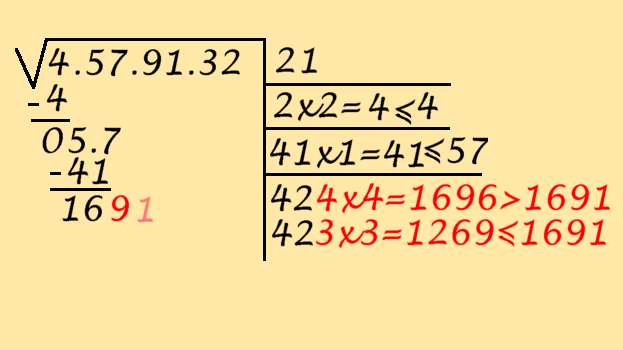
|
| First, we take down the next pair of numbers, but we will not use the one on the right for the moment. Then we draw a horizontal line under the previous operations, we multiply by 2 the current number in the box, and we copy it under the line. Next, we divide the number on the left by the number on the right, and we copy the first digit of the result next to the number under the line. Next, we multiply the resulting number by the same digit, and we check that the result is smaller or equal to the number on the left (if it is bigger, we must try with a smaller number). When we have the right number, we copy it in the box. After that, we copy the result of the multiplication under the number on the left, to subtract it (that is why it must not be bigger than the number on the left). And we repeat the same steps... |
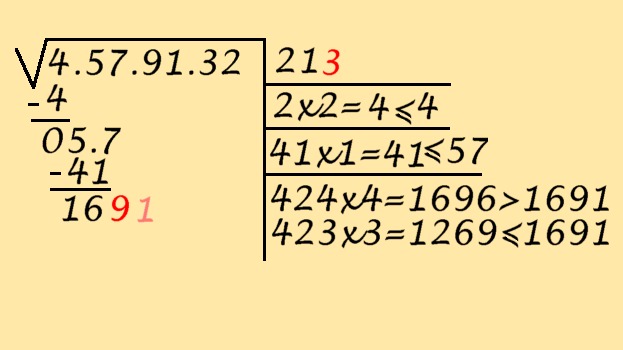
|
| First, we take down the next pair of numbers, but we will not use the one on the right for the moment. Then we draw a horizontal line under the previous operations, we multiply by 2 the current number in the box, and we copy it under the line. Next, we divide the number on the left by the number on the right, and we copy the first digit of the result next to the number under the line. Next, we multiply the resulting number by the same digit, and we check that the result is smaller or equal to the number on the left (if it is bigger, we must try with a smaller number). When we have the right number, we copy it in the box. After that, we copy the result of the multiplication under the number on the left, to subtract it (that is why it must not be bigger than the number on the left). And we repeat the same steps... |
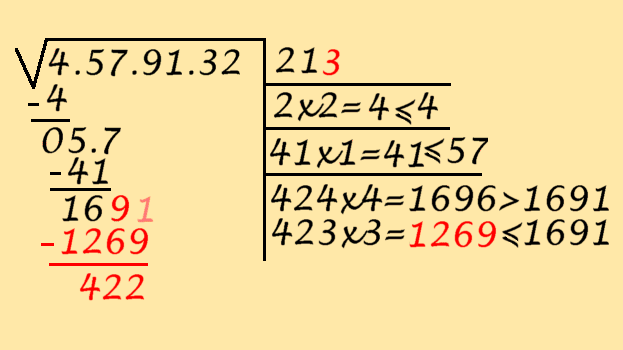
|
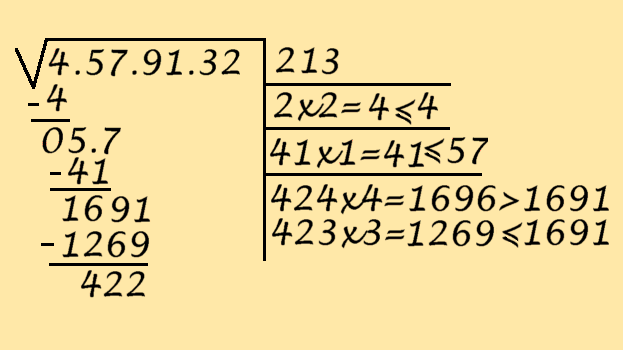
| First, we take down the next pair of numbers, but we will not use the one on the right for the moment. Then we draw a horizontal line under the previous operations, we multiply by 2 the current number in the box, and we copy it under the line. Next, we divide the number on the left by the number on the right, and we copy the first digit of the result next to the number under the line. Next, we multiply the resulting number by the same digit, and we check that the result is smaller or equal to the number on the left (if it is bigger, we must try with a smaller number). When we have the right number, we copy it in the box. After that, we copy the result of the multiplication under the number on the left, to subtract it (that is why it must not be bigger than the number on the left). And we repeat the same steps... |
|
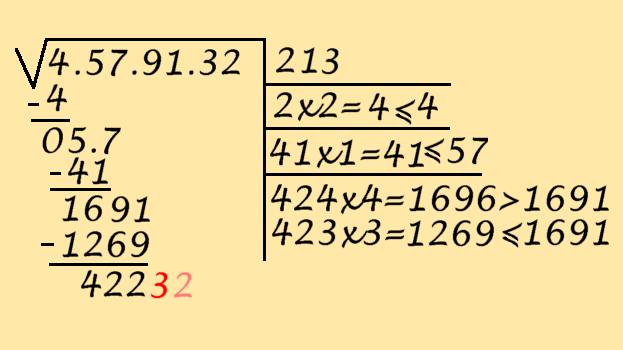
| First, we take down the next pair of numbers, but we will not use the one on the right for the moment. Then we draw a horizontal line under the previous operations, we multiply by 2 the current number in the box, and we copy it under the line. Next, we divide the number on the left by the number on the right, and we copy the first digit of the result next to the number under the line. Next, we multiply the resulting number by the same digit, and we check that the result is smaller or equal to the number on the left (if it is bigger, we must try with a smaller number). When we have the right number, we copy it in the box. After that, we copy the result of the multiplication under the number on the left, to subtract it (that is why it must not be bigger than the number on the left). And we repeat the same steps... |
|
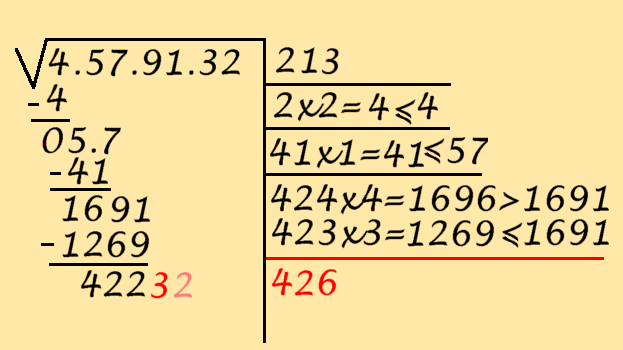
| First, we take down the next pair of numbers, but we will not use the one on the right for the moment. Then we draw a horizontal line under the previous operations, we multiply by 2 the current number in the box, and we copy it under the line. Next, we divide the number on the left by the number on the right, and we copy the first digit of the result next to the number under the line. Next, we multiply the resulting number by the same digit, and we check that the result is smaller or equal to the number on the left (if it is bigger, we must try with a smaller number). When we have the right number, we copy it in the box. After that, we copy the result of the multiplication under the number on the left, to subtract it (that is why it must not be bigger than the number on the left). And we repeat the same steps... |
|
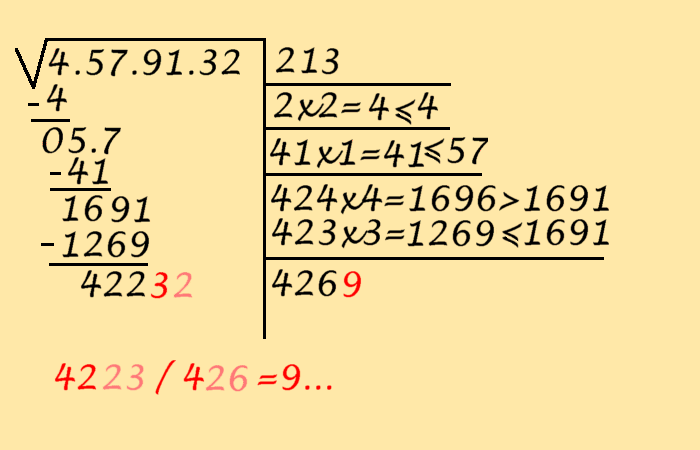
| First, we take down the next pair of numbers, but we will not use the one on the right for the moment. Then we draw a horizontal line under the previous operations, we multiply by 2 the current number in the box, and we copy it under the line. Next, we divide the number on the left by the number on the right, and we copy the first digit of the result next to the number under the line. Next, we multiply the resulting number by the same digit, and we check that the result is smaller or equal to the number on the left (if it is bigger, we must try with a smaller number). When we have the right number, we copy it in the box. After that, we copy the result of the multiplication under the number on the left, to subtract it (that is why it must not be bigger than the number on the left). And we repeat the same steps... |
|
| First, we take down the next pair of numbers, but we will not use the one on the right for the moment. Then we draw a horizontal line under the previous operations, we multiply by 2 the current number in the box, and we copy it under the line. Next, we divide the number on the left by the number on the right, and we copy the first digit of the result next to the number under the line. Next, we multiply the resulting number by the same digit, and we check that the result is smaller or equal to the number on the left (if it is bigger, we must try with a smaller number). When we have the right number, we copy it in the box. After that, we copy the result of the multiplication under the number on the left, to subtract it (that is why it must not be bigger than the number on the left). And we repeat the same steps... |
|
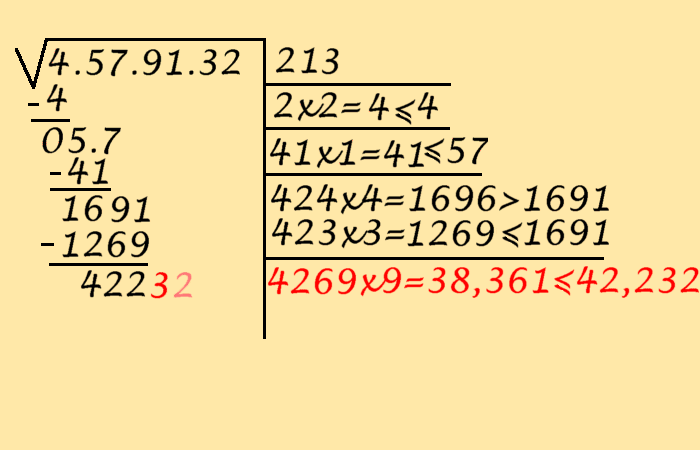
| First, we take down the next pair of numbers, but we will not use the one on the right for the moment. Then we draw a horizontal line under the previous operations, we multiply by 2 the current number in the box, and we copy it under the line. Next, we divide the number on the left by the number on the right, and we copy the first digit of the result next to the number under the line. Next, we multiply the resulting number by the same digit, and we check that the result is smaller or equal to the number on the left (if it is bigger, we must try with a smaller number). When we have the right number, we copy it in the box. After that, we copy the result of the multiplication under the number on the left, to subtract it (that is why it must not be bigger than the number on the left). And we repeat the same steps... |
|
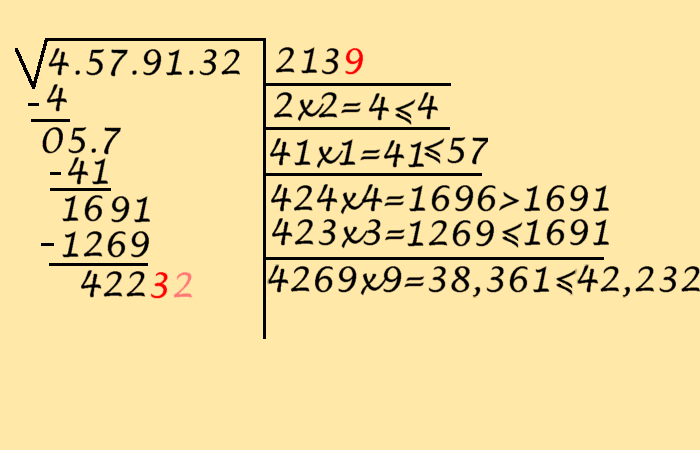
| First, we take down the next pair of numbers, but we will not use the one on the right for the moment. Then we draw a horizontal line under the previous operations, we multiply by 2 the current number in the box, and we copy it under the line. Next, we divide the number on the left by the number on the right, and we copy the first digit of the result next to the number under the line. Next, we multiply the resulting number by the same digit, and we check that the result is smaller or equal to the number on the left (if it is bigger, we must try with a smaller number). When we have the right number, we copy it in the box. After that, we copy the result of the multiplication under the number on the left, to subtract it (that is why it must not be bigger than the number on the left). And we repeat the same steps... |
|
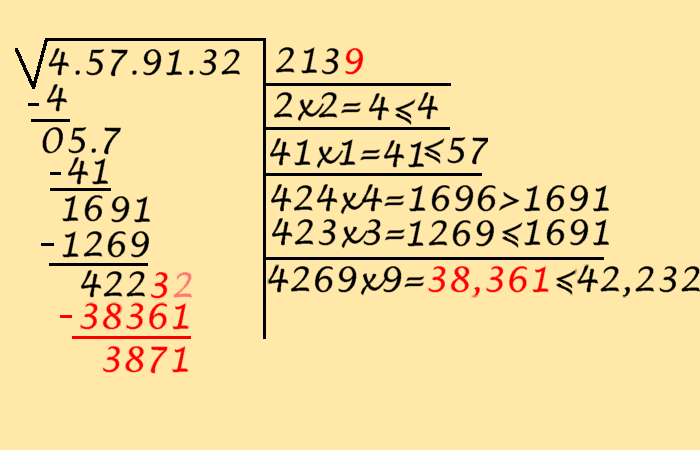
| First, we take down the next pair of numbers, but we will not use the one on the right for the moment. Then we draw a horizontal line under the previous operations, we multiply by 2 the current number in the box, and we copy it under the line. Next, we divide the number on the left by the number on the right, and we copy the first digit of the result next to the number under the line. Next, we multiply the resulting number by the same digit, and we check that the result is smaller or equal to the number on the left (if it is bigger, we must try with a smaller number). When we have the right number, we copy it in the box. After that, we copy the result of the multiplication under the number on the left, to subtract it (that is why it must not be bigger than the number on the left). And we repeat the same steps... |
|
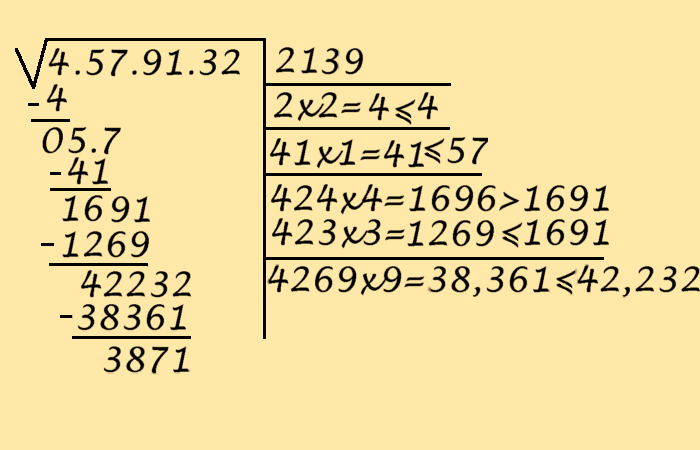
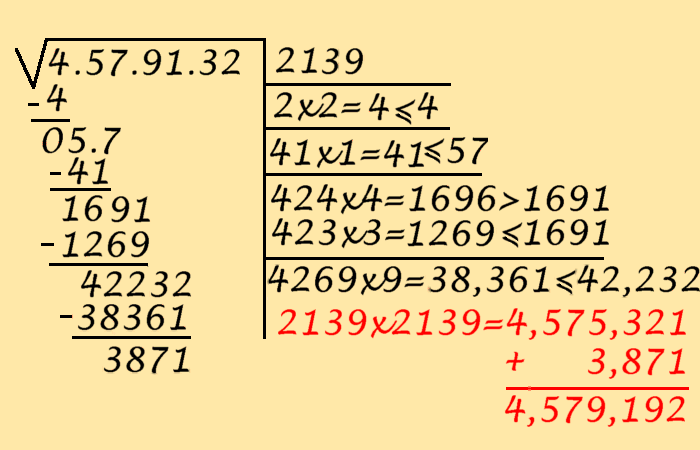
| First, we take down the next pair of numbers, but we will not use the one on the right for the moment. Then we draw a horizontal line under the previous operations, we multiply by 2 the current number in the box, and we copy it under the line. Next, we divide the number on the left by the number on the right, and we copy the first digit of the result next to the number under the line. Next, we multiply the resulting number by the same digit, and we check that the result is smaller or equal to the number on the left (if it is bigger, we must try with a smaller number). When we have the right number, we copy it in the box. After that, we copy the result of the multiplication under the number on the left, to subtract it (that is why it must not be bigger than the number on the left). You can check your calculations... |
|
| Oops! We must have made a mistake somewhere. The result of squaring our solution and adding the remainder is not exactly the same as the number for which we were trying to calculate the square root. Can you find and correct the mistake in our calculations? Click here to see the solution |
|
|
| We made a mistake when we did this multiplication: 4269 x 9 equals 38,421, not 38,361. That means the remainder is 3,811, not 3,871. And so the test works out all right: 4,575,321 + 3,811 ŻŻŻŻŻŻŻŻ 4,579,132 So, remember: you have to be very careful when you do a square root by hand; you must always check your result. |
JJCC